
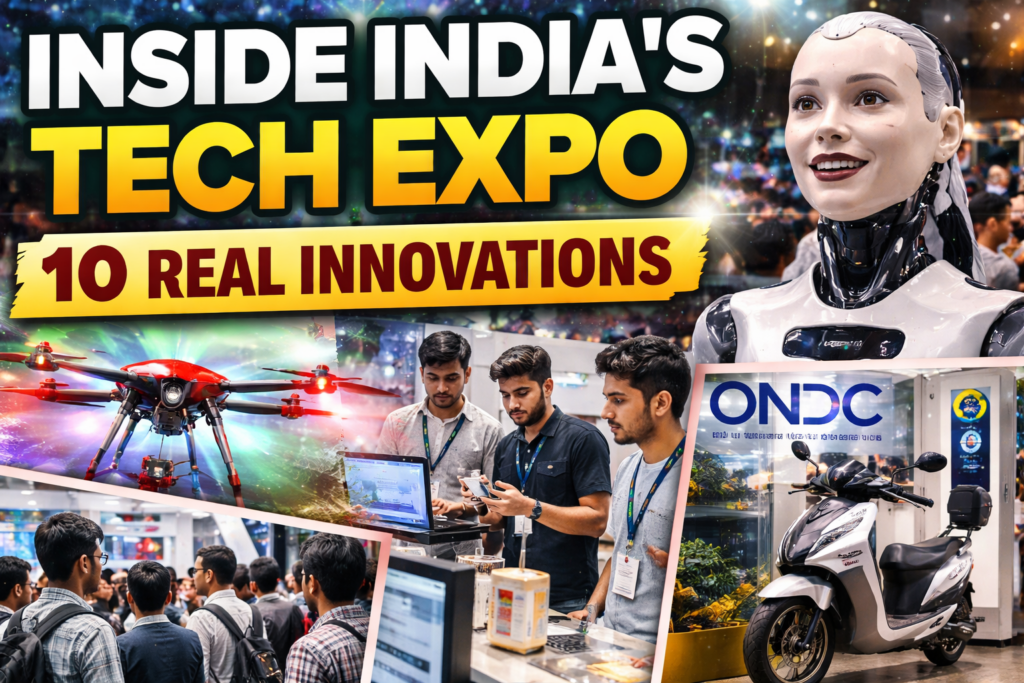
This isn’t one of those expos where everything looks like a cool concept that will “arrive in 5-10 years.”A surprising amount of what’s on display is already working-or just a step away from real deployment. And when things are that close to reality, people react very differently.
Here’s what actually feels real, useful, and worth paying attention to:
1. India’s Own AI Stack Is Finally Taking Shape
In the AI section, you can clearly see a shift toward building an Indian foundation instead of just using whatever comes from abroad.
You see demos focused on:
- Indian languages like Hindi, Tamil, Bengali, and others
- Government-backed AI infrastructure and platforms
- Models trained on local data instead of leaning entirely on global datasets
It’s not about “beating” global AI giants yet. It’s about building technological independence so India isn’t just a consumer of AI, but also a creator.
2. ONDC Startups Are Showing Live, Working Flows
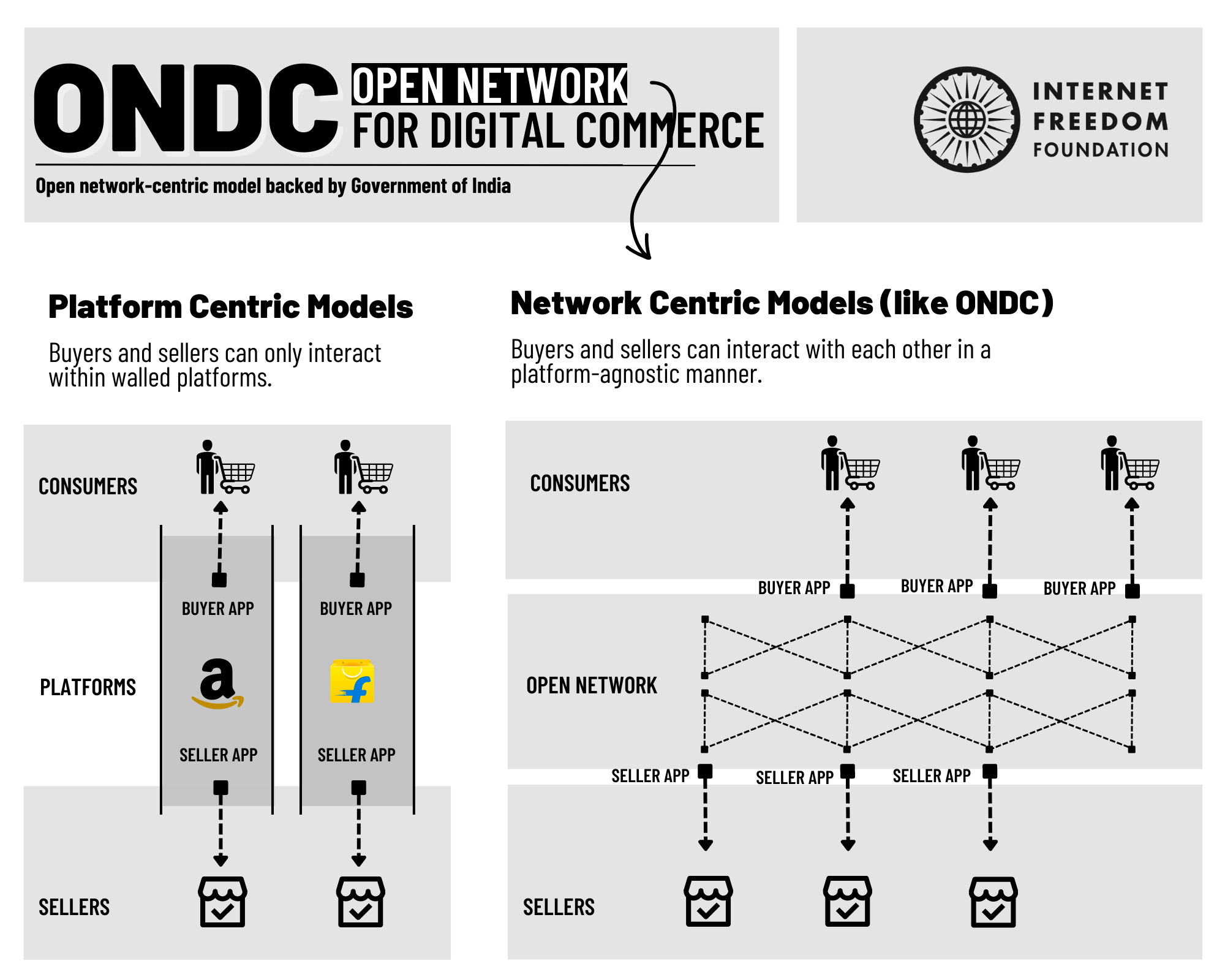
The ONDC (Open Network for Digital Commerce) startups aren’t standing around with slide decks and theory.
They’re running live journeys where you can:
- Place an order across different platforms
- See how small sellers plug into the network
- Watch pricing, discovery, and logistics play out in real time
ONDC stops looking like a government PDF and starts feeling like an actual, functioning digital rail for commerce.
3. Health-Tech Has Stepped Out of the App Store
This time, health-tech isn’t just about another fitness or teleconsultation app.
On display are:
- AI-based chest scan tools that can help in TB screening
- Portable diagnostic devices built for rural or low-resource clinics
- Early detection systems using pattern recognition for common conditions
The design lens is very clear: these are for crowded PHCs and rural setups, not just swanky metro hospitals.
4. Drones Built for Work, Not Air Shows
The drone section doesn’t feel like a toy zone anymore.
Most of the startups are clearly focused on:
- Agricultural spraying
- Land and crop mapping
- Surveillance, search, and disaster response
Several claim they can cover around 20-30 acres per hour for farm spraying. That’s the kind of number a farmer cares about-not how “futuristic” the drone looks.

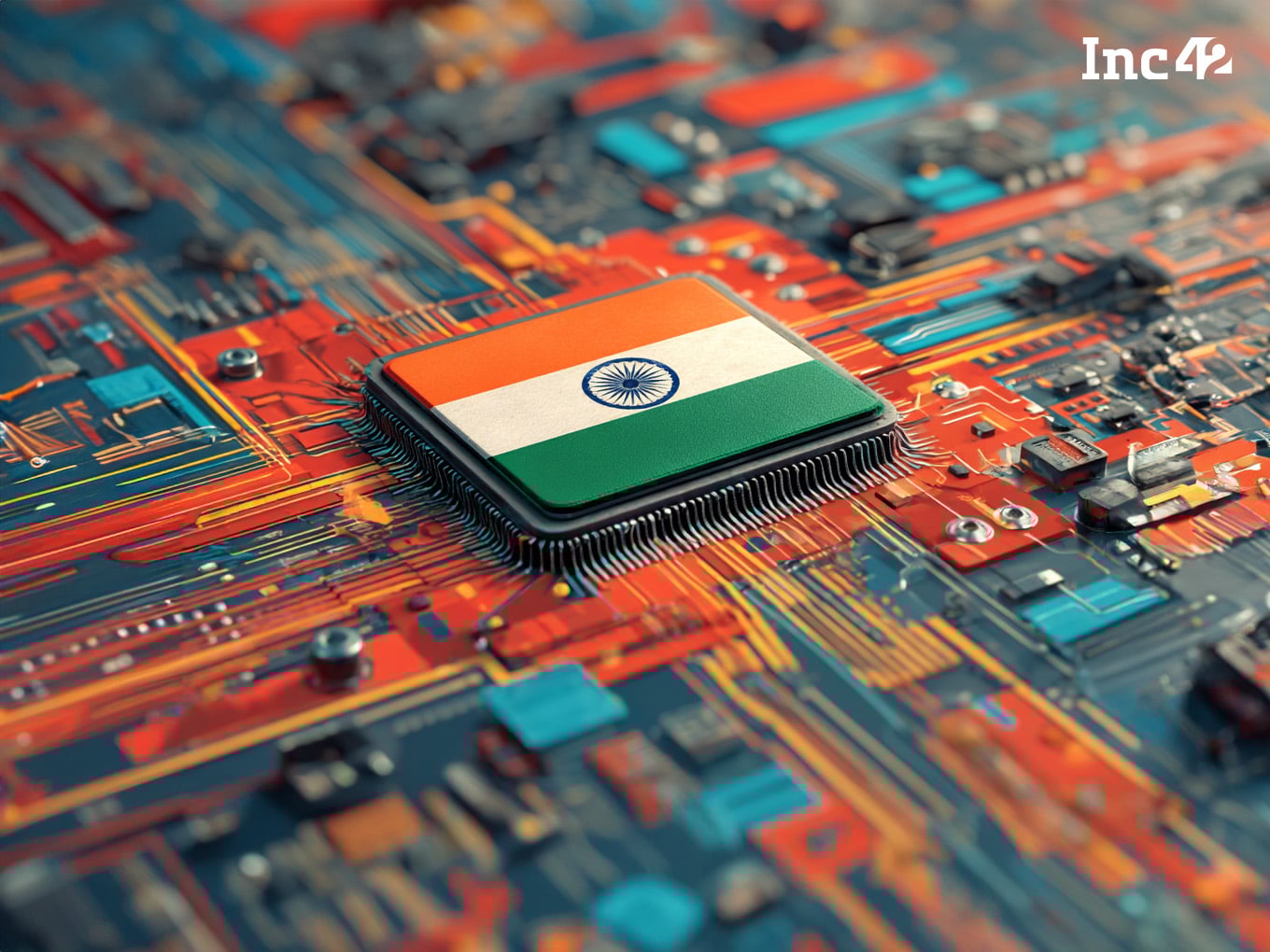
5. Hardware and Semiconductors Are Getting Real Attention
For years, India’s tech story has mostly been software-led. Here, you can see an attempt to widen that story.
You notice:
- Chip design startups talking about specific use cases
- Electronics and device manufacturing booths
- “Make in India” hardware initiatives that go beyond slogans
India is not a hardware powerhouse yet, but the intent to build full-stack capability-from chips to cloud-is visible in a way it wasn’t earlier.
6. EVs: From Vehicles to Full Ecosystems
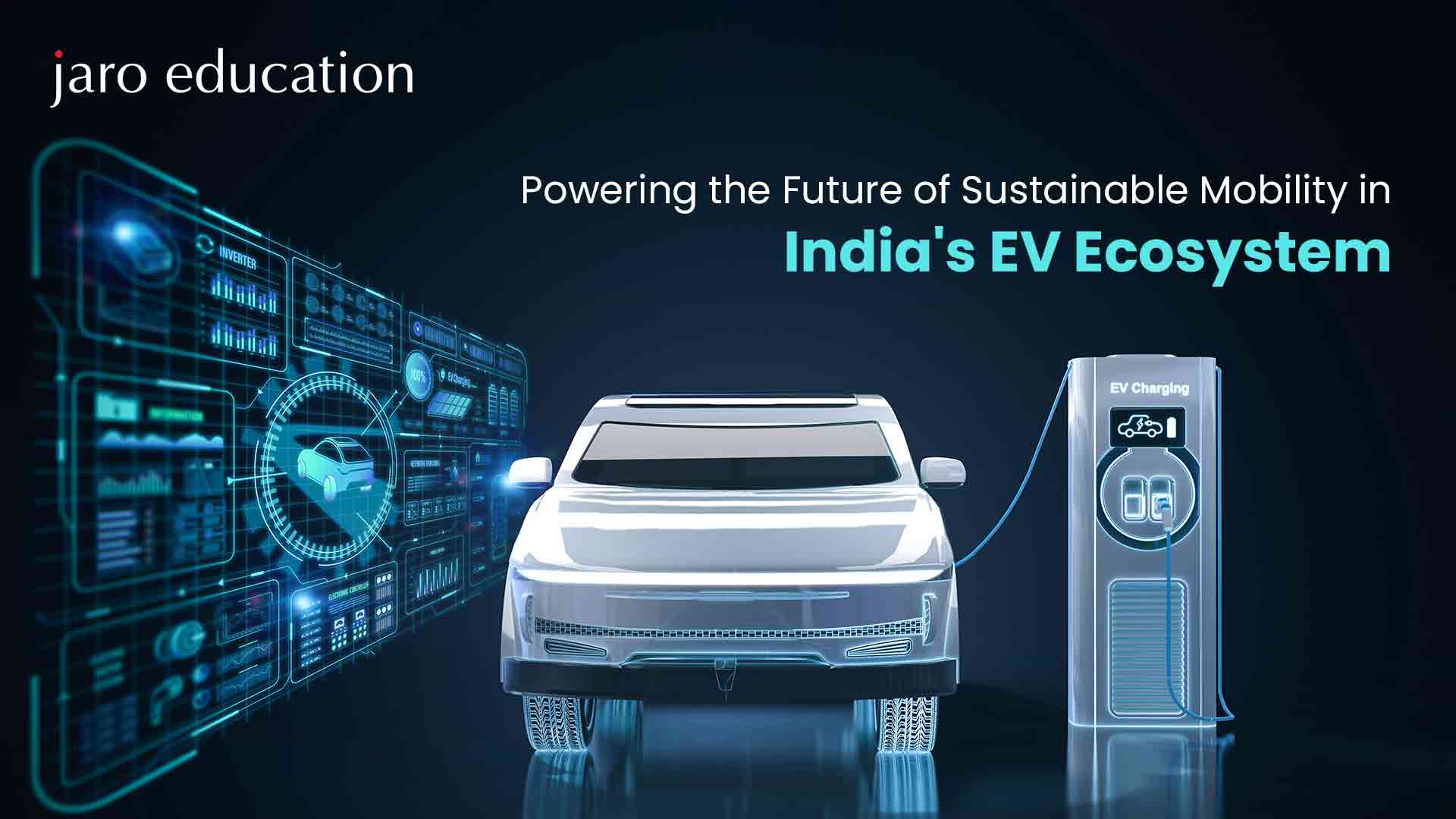
The EV presence isn’t just a line of shiny two-wheelers anymore.
The focus has expanded to:
- Battery swapping stations and business models around them
- Charging infrastructure startups targeting highways, fleets, and cities
- Fleet management tools that track usage, health, and cost of EVs
The narrative is shifting from “We sell EVs” to “We support everything that makes EVs actually usable at scale.”
7. AI in Governance Is Quietly Becoming Mainstream
Government-linked stalls have a strong and very specific theme: efficiency at scale.
You see:
- AI tools for document processing and file movement
- Automated grievance redressal systems
- Smart city dashboards pulling live data into one view
There’s less talk of buzzwords and more focus on “How do we handle millions of cases, forms, and requests with fewer bottlenecks?”
8. A Clear Tilt Toward Rural and Tier-2 India
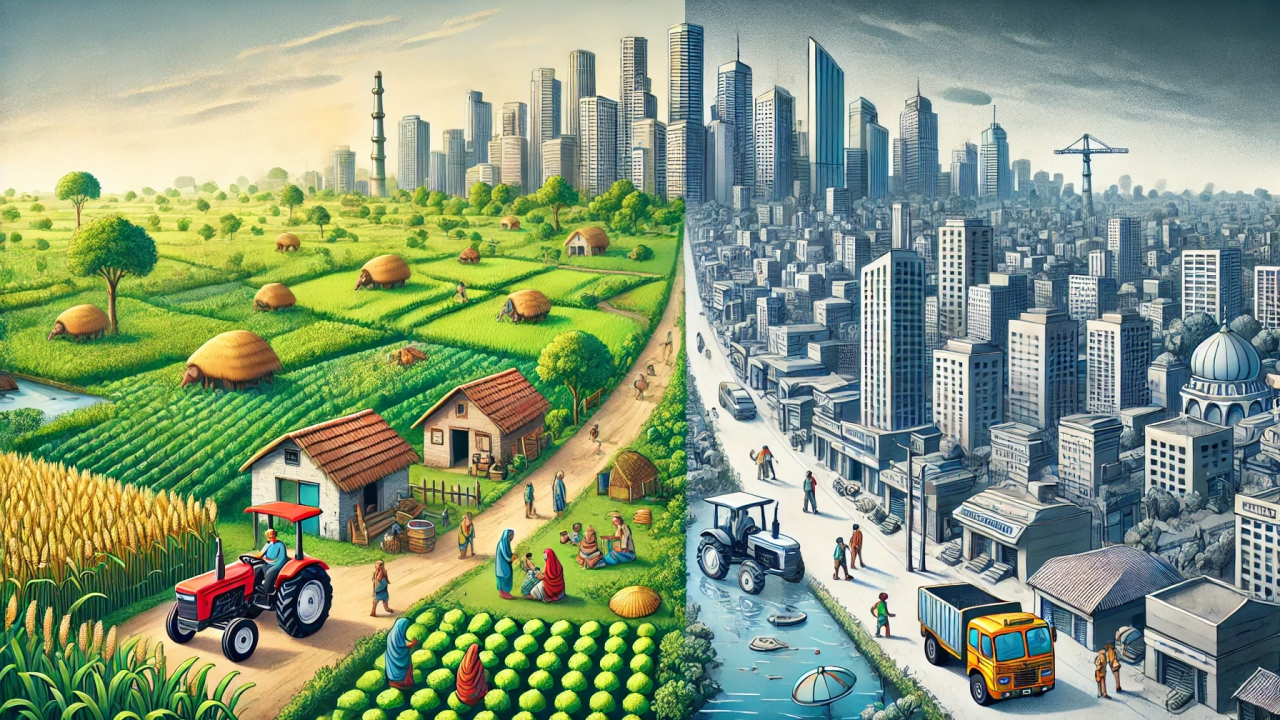
One of the most noticeable shifts is who the products are meant for.
Many startups are building for:
- Small दुकानदार (local retailers and kirana owners)
- Farmers and agri-collectives
- Local logistics players, delivery partners, and small fleet owners
Instead of chasing only metro users, the focus is turning to where India’s real volume and complexity sit.
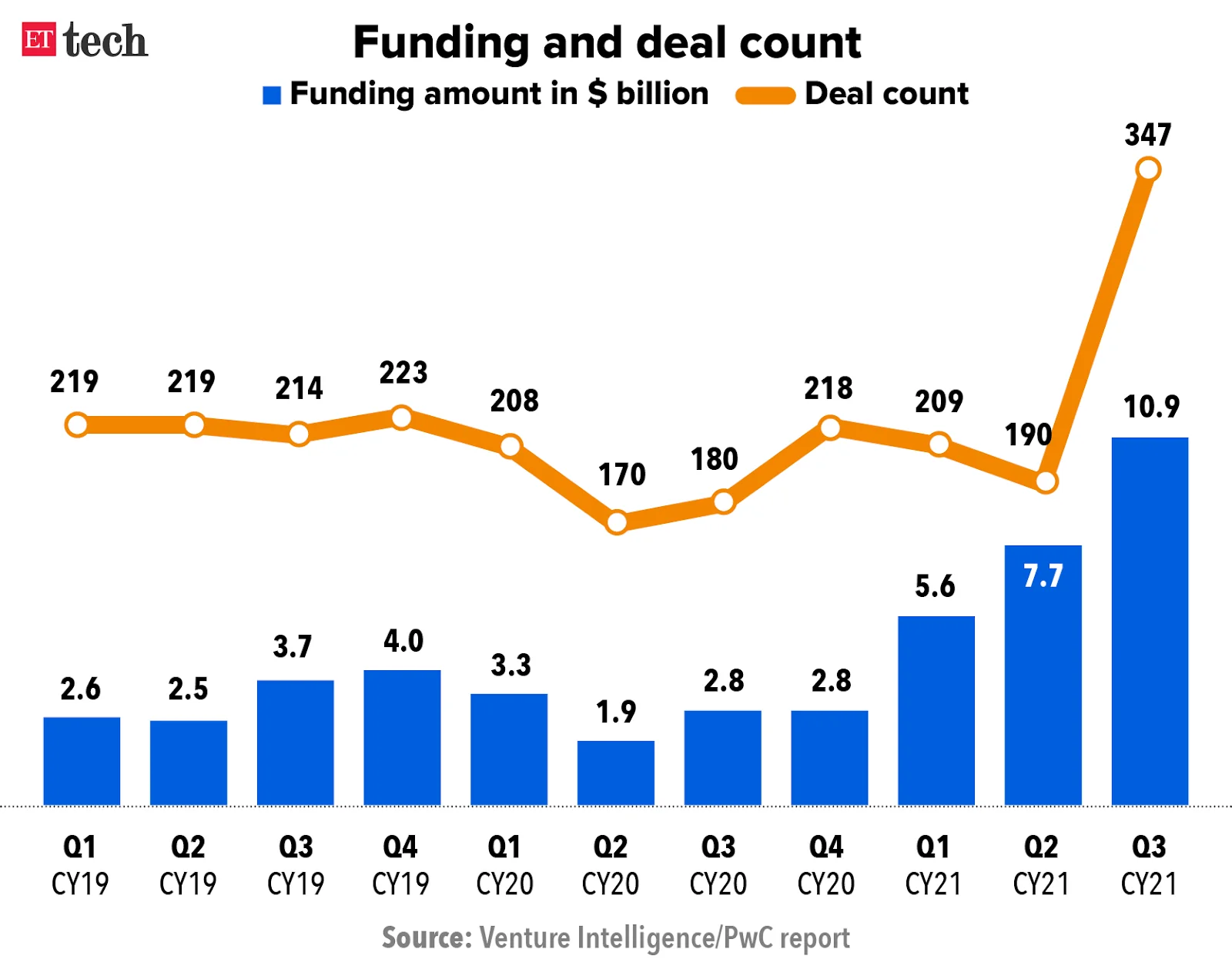
9. Funding Conversations Sound More Grounded
The energy around funding feels different this year.
You hear:
- More questions about actual revenue and paying customers
- A stronger push for sustainability and unit economics
- Less excitement around pitch-deck-only “ideas”
It feels like the ecosystem is slowly moving from “raise fast, figure out later” to “show me what’s already working.”
10. The Idea-Execution Gap Has Shrunk
This might be the most important change.
Earlier, stalls were full of lines like:
- “We’re building this…”
- “We plan to launch next year…”
Now, it’s far more:
- “This is live.”
- “Here’s a demo link.”
- “Do you want to try it right now?”
Across sectors, the jump from concept to working product has become visibly shorter.
Final Thought
This expo doesn’t feel like a showcase of distant futures.It feels like a checkpoint.
India isn’t just talking about technology anymore. It’s actively trying to build systems that can survive the chaos and scale of the real world.
Comments (0)
Sign in to leave a comment