
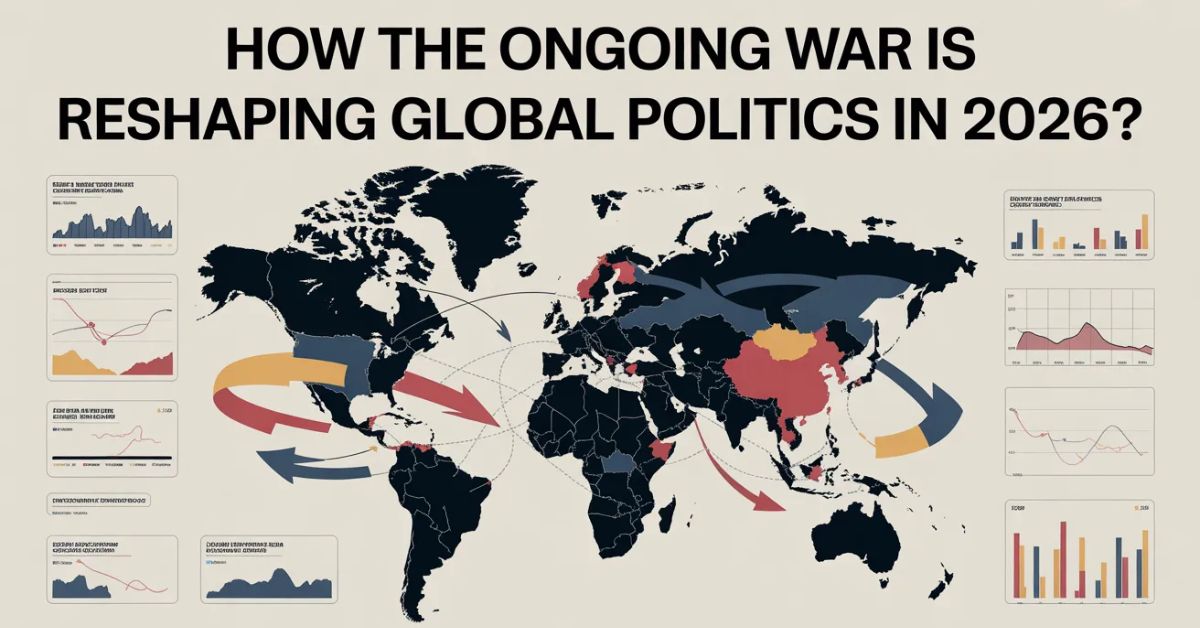
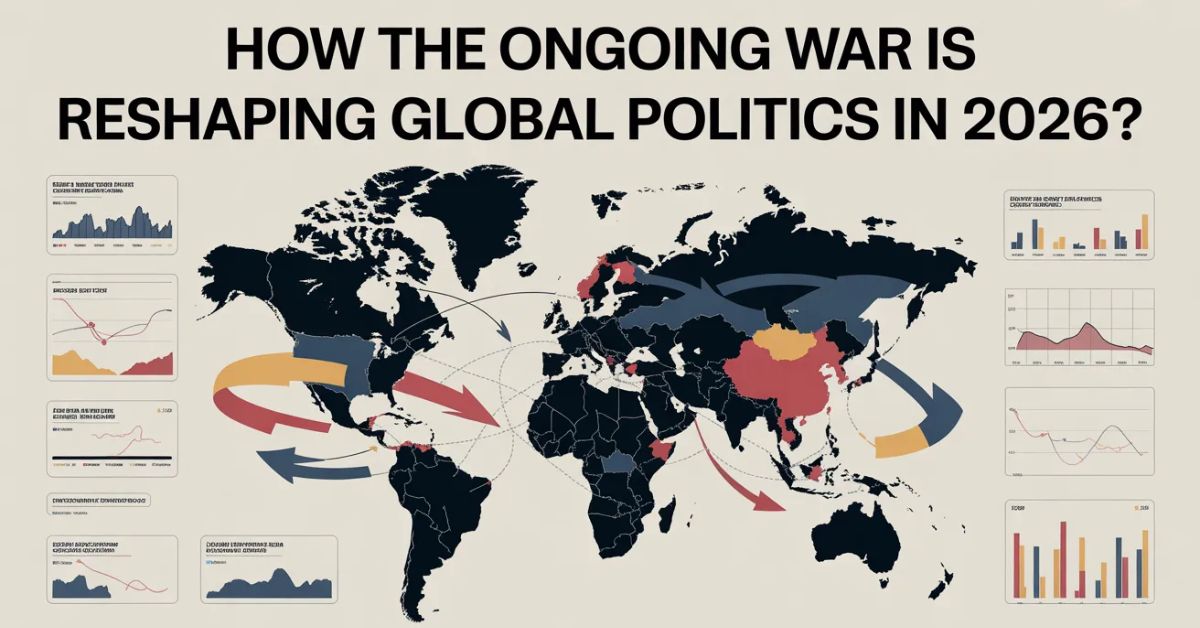
How the Ongoing War Is Reshaping Global Politics in 2026?
Intoduction
An ongoing war is a conflict that is still happening and has not ended yet. It involves fighting between countries, groups, or forces over power, land, or beliefs. The situation keeps changing with time. People follow these wars closely to understand what is happening in the world.
War is not just about soldiers on the battlefield. It affects normal people in a deep way. Families lose their homes, children lose education, and fear becomes part of daily life. This makes ongoing war a serious global concern that everyone should understand.
Many ongoing wars are connected to politics, resources, and control. Some conflicts last for years and spread across regions. By learning about these wars, we can better understand their impact and the importance of peace in the world.
Causes
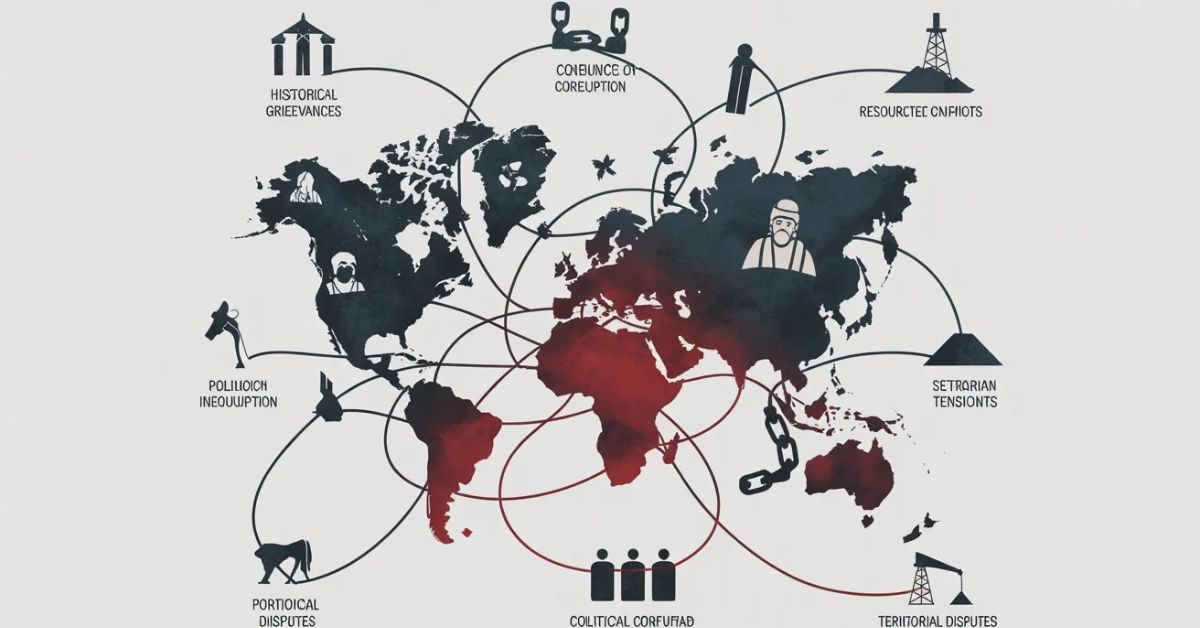
The causes of an ongoing war are often complex. Many wars start because of political conflicts between leaders or governments. Sometimes countries fight over land, power, or control of resources like oil and water. In some cases, differences in religion, culture, or beliefs can also create tension and lead to war.
Another major cause is economic problems and inequality. Poor conditions, unemployment, and lack of opportunities can increase anger among people. Weak leadership and corruption can make the situation worse. When problems are not solved peacefully, they can grow into a serious conflict and turn into an ongoing war.
Parties Involved
An ongoing war usually includes different parties with their own goals. These can be countries, governments, or armed groups. Each group wants power, control, or security. Their interests often clash, which keeps the conflict going.
Some wars also involve outside countries or international organizations. These groups may support one side with money, weapons, or advice. This can make the war more complex and longer. Understanding the parties helps us see why peace is hard to achieve.
Key Parties in an Ongoing War:
- Governments or national armies
- Rebel or militant groups
- Allied countries supporting one side
- International organizations (peacekeeping or aid)
- Local civilians affected by the conflict
Effects
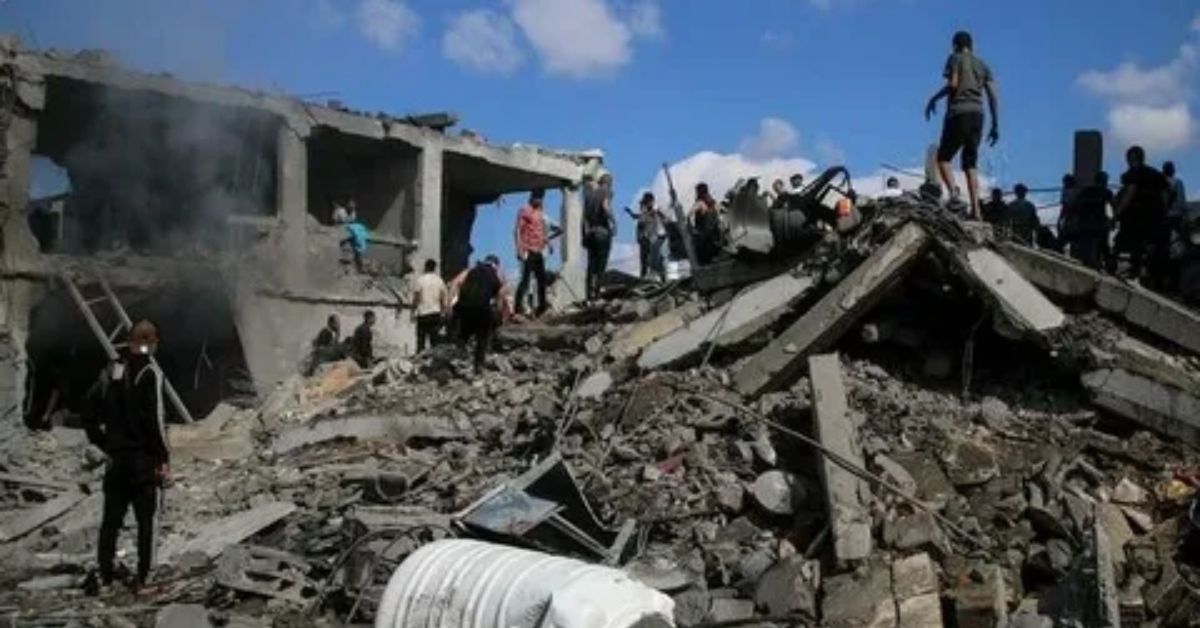
The effects of an ongoing war are serious and wide. It damages cities, homes, and basic services. Many people lose their lives or get injured. Families are forced to leave their homes and live as refugees. Fear and stress become part of daily life for many people.
War also affects the economy and future of a country. Jobs are lost, businesses close, and prices increase. Education and healthcare systems become weak. Children grow up in unsafe conditions. These long-term effects make recovery very difficult even after the war ends.
| Area | Effect of War |
| People | Death, injuries, displacement |
| Economy | Job loss, poverty, inflation |
| Education | Schools closed, learning disrupted |
| Healthcare | Lack of hospitals and medicines |
| Infrastructure | Roads, buildings, and systems damaged |
International Response
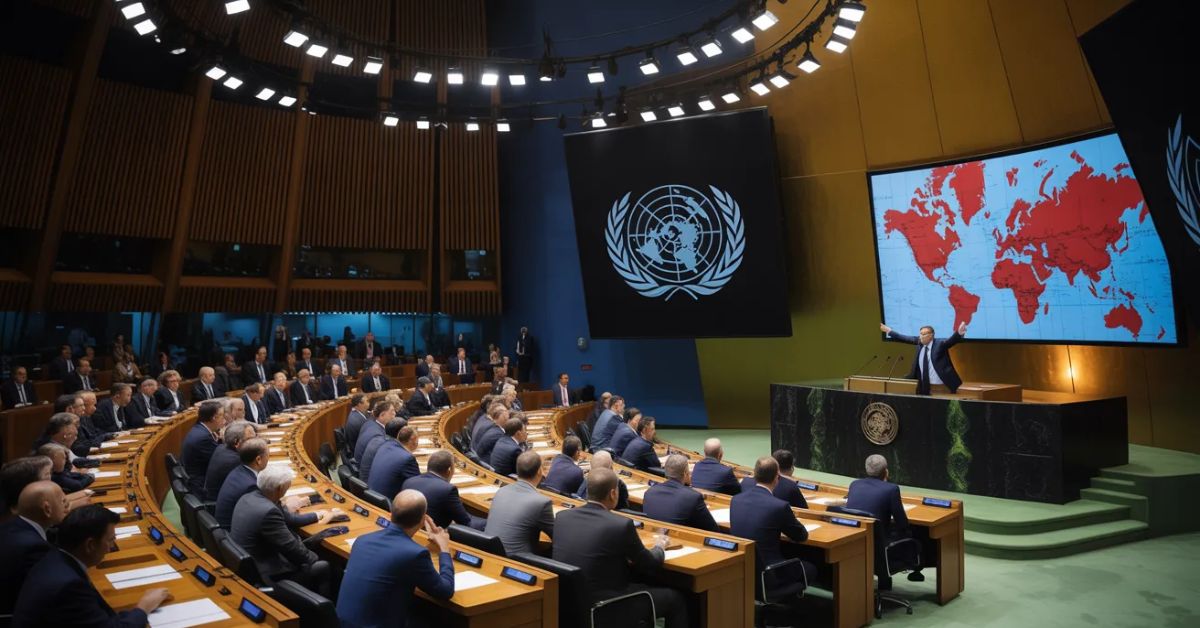
The international community often reacts to ongoing wars to reduce damage and support peace. Organizations like the United Nations may send peacekeepers or provide humanitarian aid. Countries may also try to mediate between the sides to find a solution.
Some nations impose sanctions or trade restrictions to pressure the parties involved. Others send food, medicine, and shelter to help affected civilians. International response aims to save lives, stop the conflict, and promote negotiations for peace.
Future Predictions

Predicting the future of an ongoing war is difficult. Experts study the situation to understand possible outcomes. Some wars may end soon through peace talks or agreements. Others may continue for years, causing more destruction and suffering.
Future predictions help governments and organizations plan their actions. They also warn people about possible risks and challenges. By analyzing trends, experts try to suggest solutions to prevent escalation.
Possible Future Scenarios:
- Peace agreements end the conflict quickly
- Continued fighting with more casualties
- International intervention brings temporary calm
- Economic and social recovery after the war
- Long-term instability in the region
Real-Life Stories
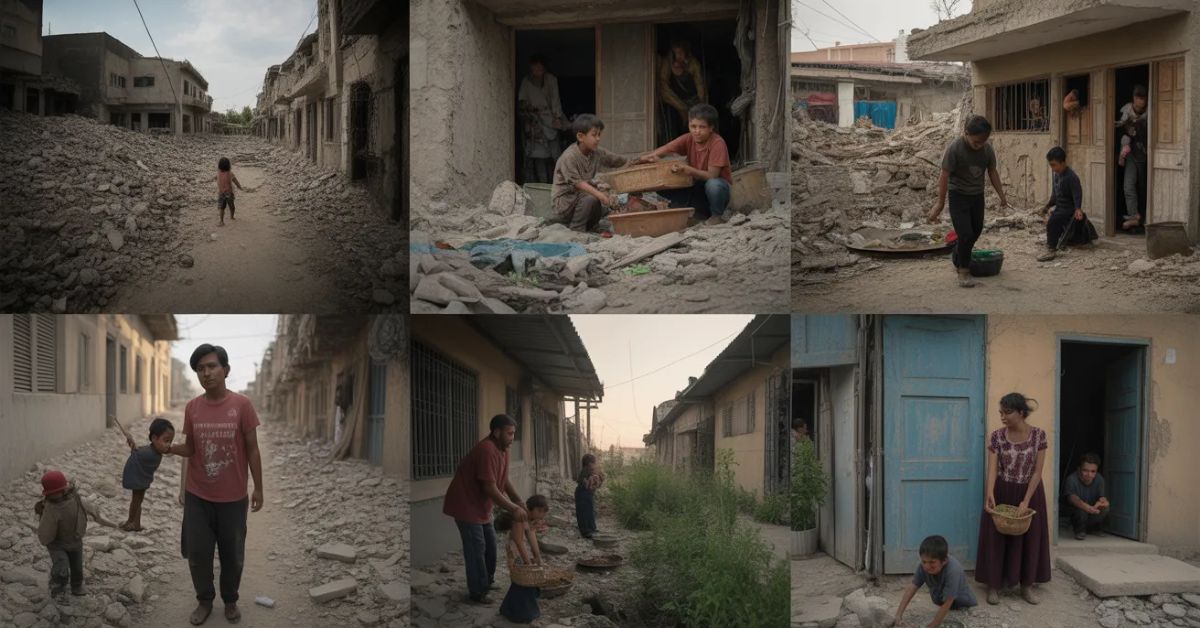
Many people suffer deeply because of ongoing wars. Families lose their homes and have to live in temporary shelters. Children miss school and cannot play safely. These stories show the human side of war.
Some people risk their lives to help others. Volunteers and aid workers bring food, medicine, and hope. Survivors share their experiences to remind the world about the cost of war. Real-life stories make us understand the real pain behind the headlines.
Expert Opinions
Experts study ongoing wars to explain their causes and effects. They provide advice to governments and organizations on how to handle conflicts. Their opinions help people understand the situation better.
Many experts warn that without action, wars can get worse. They suggest peace talks, humanitarian aid, and international cooperation. Expert opinions guide leaders and the public to make informed decisions and work towards ending the conflict.
Latest News
Staying updated with the latest news helps people understand ongoing wars. News reports share recent events, battles, and agreements between parties. They also cover the impact on civilians and affected areas.
Media updates can show progress in peace talks or new challenges. They inform governments, organizations, and the public about urgent needs. Following the latest news ensures everyone knows what is happening in real time.
FAQs
What is an ongoing war?
An ongoing war is a conflict that is still happening and has not yet ended, involving countries or groups fighting for power, land, or resources.
What are the main causes of ongoing wars?
Causes include political conflicts, economic inequalities, social tensions, and differences in religion or culture.
Who are the parties involved in an ongoing war?
Parties can include governments, rebel groups, allied countries, international organizations, and civilians affected by the conflict.
What are the effects of ongoing wars?
Wars cause death, injuries, displacement, economic problems, damaged infrastructure, and disruption in education and healthcare.
How does the international community respond to ongoing wars?
Through peacekeeping, humanitarian aid, sanctions, and diplomatic efforts to reduce conflict and support affected people.
Conclusion
Ongoing wars affect millions of people and change the world in many ways. They cause loss of life, damage to homes, and economic problems. Understanding these conflicts helps us see the importance of peace.
By learning about the causes, effects, and parties involved, we can support efforts to end war. International cooperation, expert guidance, and awareness are key to building a safer future for everyone.
—————————————————————————————————–
Comments (0)
Sign in to leave a comment