
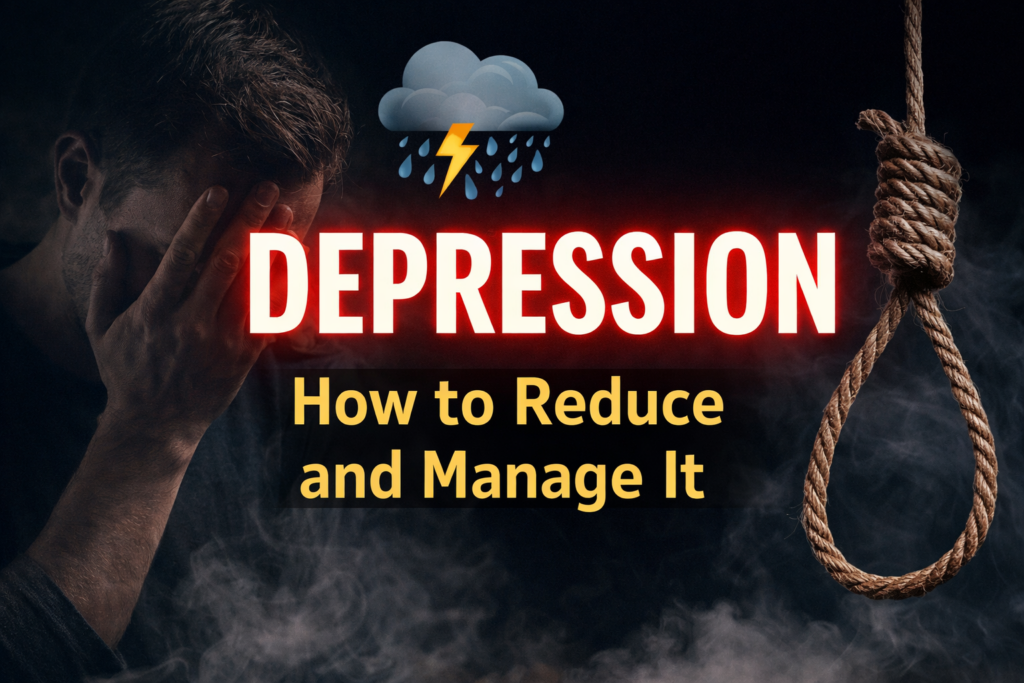
The Concept of Depression
Depression is a mental disorder characterized by persistent feelings of severe sadness over a long period of time. According to the World Health Organization (2025), about 5.7% of adults worldwide suffer from depression.
Although depression affects more women than men, both genders experience its effects. Depression can be devastating and, in severe cases, may lead to suicide if not properly addressed.
To cope with depression effectively, it is important to understand its causes, symptoms, prevention measures, and coping strategies.
Causes of Depression
Depression usually results from a combination of different factors. While some causes, such as hereditary factors, may be difficult to control, many others can be managed or avoided.
1. Drug and Alcohol Abuse
Excessive use of alcohol and drugs can damage a person’s cognitive processes. This often leads to poor judgment and harmful behaviors, which may eventually trigger depression.
For example, studies in Australia show that over 500,000 people experiencing depression are also associated with substance use disorders.
2. Disappointment
Depression can occur when a person experiences the loss of an important object, person, opportunity, or expectation. When individuals cannot cope with such losses, they may develop feelings of sadness, anger, and guilt, which can eventually lead to depression.
3. Hereditary Factors
Research suggests that depression may be genetically inherited. Individuals whose parents or close relatives suffer from depression may have a higher risk of developing the condition.
4. Serious Medical Illness
Living with a serious medical condition can create significant stress and emotional strain. Chronic illnesses, especially those involving persistent pain, can increase the likelihood of developing depression.
Symptoms of Depression
Common symptoms of depression include:
-
Feelings of hopelessness, sadness, emptiness, guilt, and tearfulness
-
Loss of interest in normal activities such as sports, hobbies, or sexual activities
-
Sleeping too much or too little
-
Reduced appetite and possible weight loss
-
Anger, frustration, or irritability, even over small matters
-
Frequent thoughts about death or not wanting to live
-
Anxiety and nervousness
Recognizing these symptoms early can help individuals seek appropriate support and treatment.
Overcoming Depression
Although depression has led some individuals to suicide, it is important to note that depression can be treated and managed. Many people successfully recover through a combination of medical and lifestyle approaches.
1. Physical Exercise
Regular physical exercise can significantly improve mood. Exercise stimulates the release of endorphins, often called “feel-good hormones,” which help elevate mood and reduce stress.
2. Relaxation Therapy
Relaxation therapy includes techniques such as deep breathing and progressive muscle relaxation. These practices help calm the mind and reduce stress levels, which can ease symptoms of depression.
3. Electroconvulsive Therapy (ECT)
For individuals with severe depression, Electroconvulsive Therapy (ECT) may be recommended.
This treatment involves passing controlled electrical currents through the brain under light anesthesia for a few seconds. The entire procedure typically takes about 15 minutes. Despite misconceptions and stigma, ECT is considered an effective treatment for severe depression.
4. Support Groups
Support groups play an important role in mental health recovery. They provide social support, shared experiences, and coping strategies.
Organizations such as the Singapore Association for Mental Health offer structured programs where individuals can learn from others who have successfully managed depression.
5. Drug Therapy
Medical professionals may prescribe antidepressant medications to help treat depression. Common types include:
-
Monoamine oxidase inhibitors (MAOIs)
-
Tricyclic antidepressants
-
Lithium
-
Selective serotonin reuptake inhibitors (SSRIs)
Although these medications may have side effects, they are generally mild and often decrease as treatment continues.
Conclusion: Depression Can Be Managed
Depression is a serious condition that can lead to devastating consequences, including suicidal deaths. However, with proper awareness, treatment, and support, it is possible to reduce its impact and help individuals recover.
By combining medical treatments, lifestyle adjustments, and social support, individuals suffering from depression can regain control of their lives and improve their mental well-being.
Comments (0)
Sign in to leave a comment