
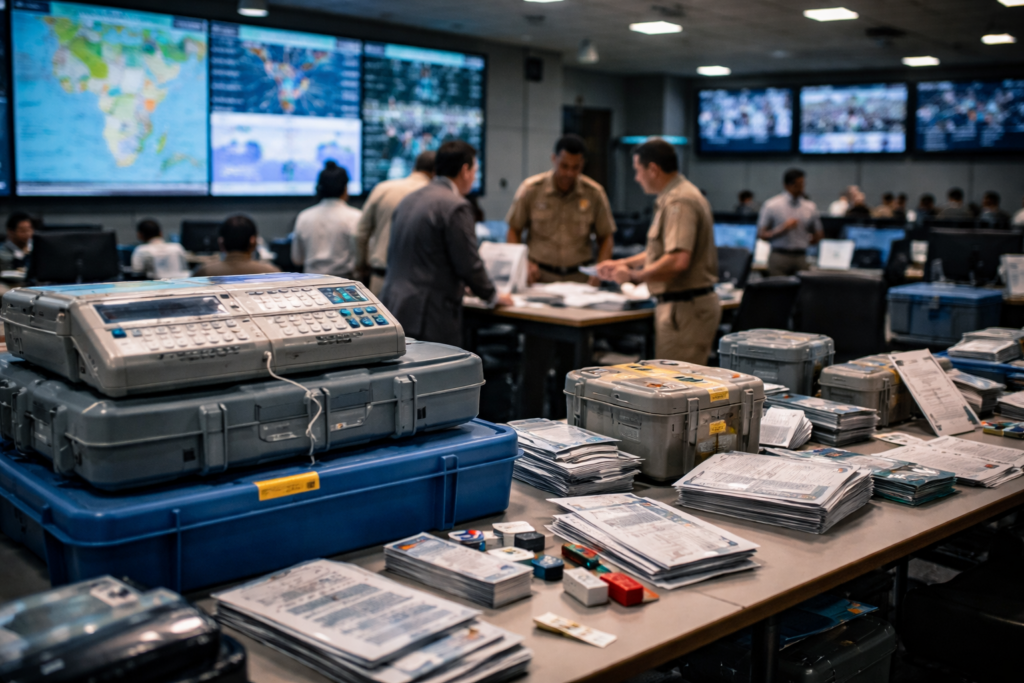
Elections in India never really feel like just elections.
They’re loud, complicated, sometimes messy-and always bigger than just results. 2026 is shaping up exactly like that.
From Kerala’s close fight to all the behind-the-scenes changes in West Bengal, and even legal stuff happening in Delhi, it’s clear this isn’t just about who wins.
It’s about how the whole system is working… or not.
Kerala: Looks Calm, But It’s Not That Simple
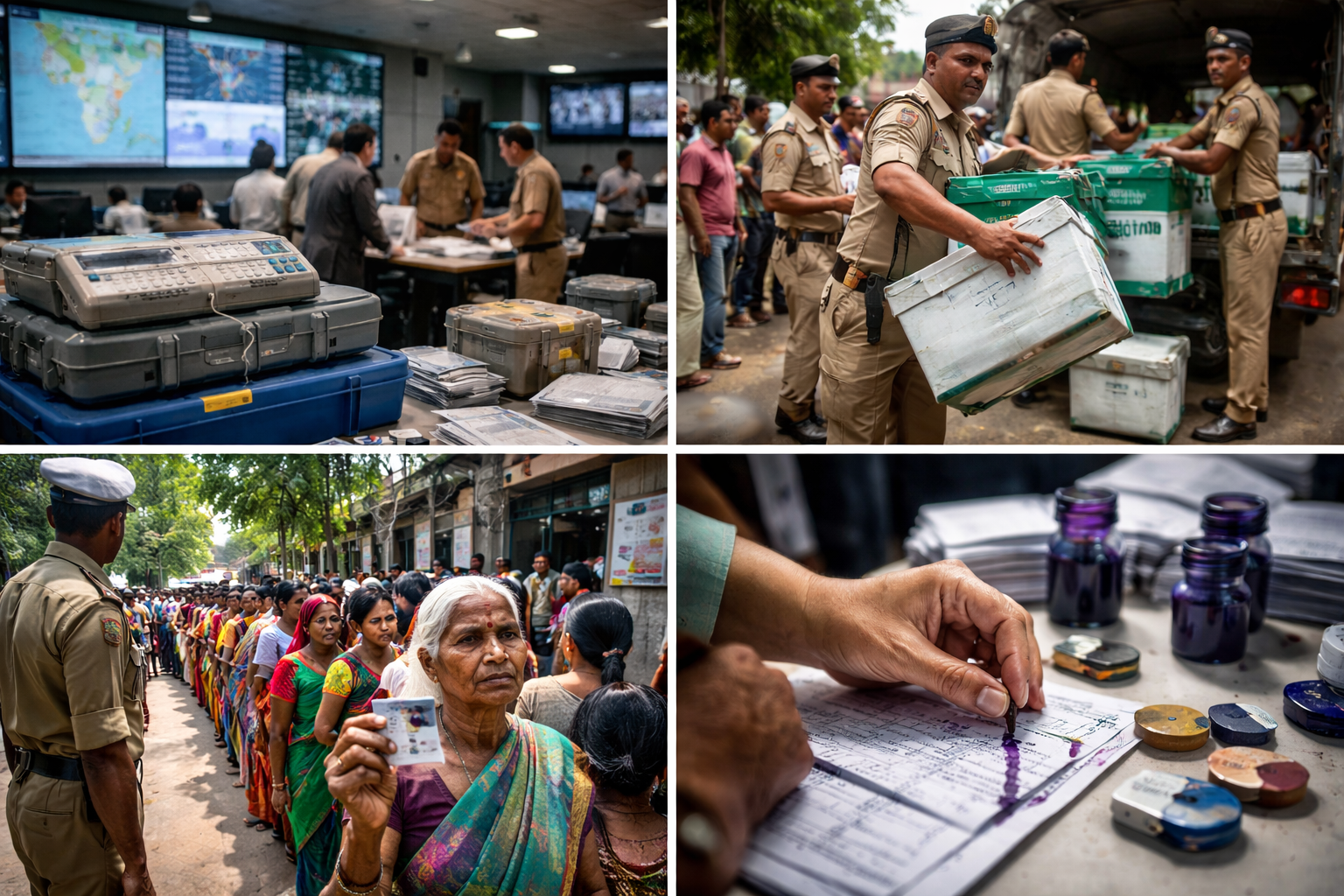
Kerala votes in April. On the surface, it feels familiar-Left vs Congress, with BJP still trying to find space.
Nothing new, right?
But if you look a little closer, it’s tighter than people think.
There are around 2.7 crore voters, and the vote share gap between the main alliances isn’t huge. It’s the kind of election where small swings can change everything.
Also, something that doesn’t get talked about enough-
almost half the voters are women, but their representation in power is still very low.
That contrast is hard to ignore.
People are showing up. The system… not as much.
Before Voting Even Starts, Things Change
One thing people outside politics don’t really see is how much happens before voting day.
Officers get transferred. Roles change. New people come in.
The Election Commission does this to keep things neutral. That’s the idea.
But honestly, it doesn’t always feel neutral to everyone.
Some see it as necessary.
Others see it as interference.
And both sides are convinced they’re right.
West Bengal: It’s Bigger, Louder, More Complicated
If Kerala feels close, West Bengal feels intense.
We’re talking about:
- Over 7 crore voters
- Nearly 300 seats
- Voting in multiple phases
That alone tells you how big this is.
But the real story isn’t just scale-it’s everything happening underneath.
There are lakhs of voter records being checked. Some accepted, some questioned. Legal teams involved. Appeals happening.
It’s not just an election at this point-it’s part administrative process, part legal system.
And then come the transfers.
Police officers moved. Officials reassigned.
Same pattern again:
- One side says it ensures fairness
- The other says it’s too much control
Depends on who you ask.
The Legal Side Nobody Talks About
This part is honestly underrated.
Elections in India aren’t just political-they’re deeply legal too.
There are tribunals. Appeals. Reviews of voter lists.
Which sounds good in theory-more checks, more accountability.
But in reality?
It also means delays, confusion, and sometimes people not even sure if they’re on the voter list till the last moment.
So yeah, stronger system-but also more complicated.
What People Actually Care About
Beyond all this process, the real question is simple:
What are people voting for?
And across states, the pattern is kind of clear.
Jobs are still a big issue.
Prices are still a problem.
Local development still matters.
At the same time, identity politics hasn’t gone anywhere.
Religion, citizenship, regional identity-these things still shape how people think and vote.
And then there’s something quieter:
Fatigue.
In some places, people just want change.
Not always because things are bad-sometimes just because it’s been too long.
So Where Does That Leave Us?
If you step back from all the noise, it’s a mixed picture.
India’s election system is massive. Probably one of the most complex in the world.
And to be fair-it works. Elections happen. People vote. Governments change.
But at the same time:
- Not everyone gets equal access
- Not everyone feels equally represented
- And not everyone trusts the process the same way
That gap is still there.
Final Thought
2026 isn’t showing us something new.
It’s showing us something ongoing.
India knows how to run elections at scale. That part is clear.
But making them feel fair, balanced, and equal for everyone?
That’s still a work in progress.
And maybe that’s the real story here.
Not who wins-
but how the system evolves,
and whether it keeps up with the people it’s meant to serve.
Comments (0)
Sign in to leave a comment